Perceptual AI represents the next frontier in artificial intelligence, where machines don't just process data—they understand it the way humans do. This revolutionary approach is transforming industries and redefining how we interact with technology.
The Evolution of Perception
Traditional AI systems have long been constrained by their inability to truly "perceive" the world around them. They could recognize patterns, but lacked the contextual understanding that comes naturally to humans. Perceptual AI bridges this gap by combining multiple sensory inputs—vision, sound, touch, and more—to create a holistic understanding of complex environments.
This multi-modal approach enables AI systems to not only identify objects but understand relationships, anticipate outcomes, and make decisions based on nuanced contextual information. The implications are profound across virtually every industry.
Applications Across Industries
Healthcare & Medical Diagnosis
In healthcare, perceptual AI is revolutionizing diagnostic accuracy. By analyzing medical imaging alongside patient history, genetic data, and real-time physiological signals, these systems can detect diseases earlier and with greater precision than ever before. The technology assists radiologists in identifying subtle anomalies that might escape human observation, potentially saving countless lives.
Autonomous Systems
Self-driving vehicles rely heavily on perceptual AI to navigate complex, dynamic environments. These systems must simultaneously process visual data from cameras, depth information from LIDAR, and real-time sensor data—all while making split-second decisions. The technology continues to advance, bringing us closer to truly autonomous transportation.
Manufacturing & Quality Control
In manufacturing, perceptual AI systems monitor production lines with unprecedented precision. They can detect microscopic defects, predict equipment failures before they occur, and optimize production processes in real-time. This leads to higher quality products, reduced waste, and improved operational efficiency.
The Technology Behind Perceptual AI
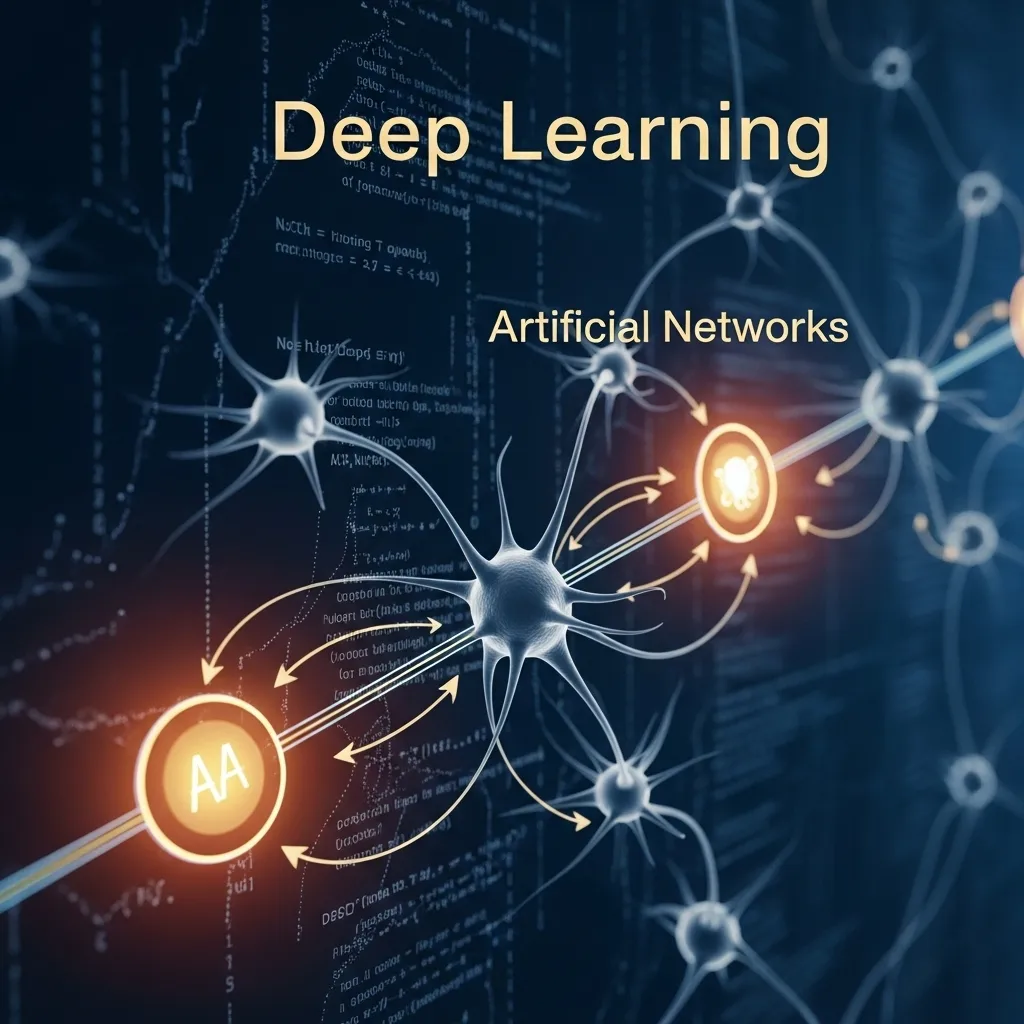
At its core, perceptual AI leverages advanced neural networks designed to mimic the human brain's sensory processing capabilities. These networks employ several key technologies:
- Convolutional Neural Networks (CNNs) for visual pattern recognition
- Recurrent Neural Networks (RNNs) for temporal sequence understanding
- Transformer architectures for attention-based processing
- Multi-modal fusion techniques for integrating diverse data streams
- Edge computing for real-time processing at the point of perception
Challenges and Considerations
Despite remarkable progress, perceptual AI faces several challenges. Data privacy concerns arise when systems must process sensitive personal information. The computational demands of real-time multi-modal processing require significant hardware resources. Additionally, ensuring these systems operate fairly and without bias remains an ongoing area of research and development.
Looking Ahead
The future of perceptual AI is extraordinarily promising. As computing power continues to increase and algorithms become more sophisticated, we can expect these systems to achieve near-human levels of perceptual understanding. This will unlock entirely new applications we can scarcely imagine today.
From smart cities that respond to their inhabitants' needs in real-time to healthcare systems that detect diseases before symptoms appear, perceptual AI will fundamentally transform how we live and work. The key will be developing these technologies responsibly, ensuring they augment human capabilities while respecting privacy and promoting equity.
At PerceptBase, we're at the forefront of this revolution, developing perceptual AI systems that push the boundaries of what's possible. Our research focuses on creating technologies that are not only powerful and accurate but also ethical, transparent, and accessible.